
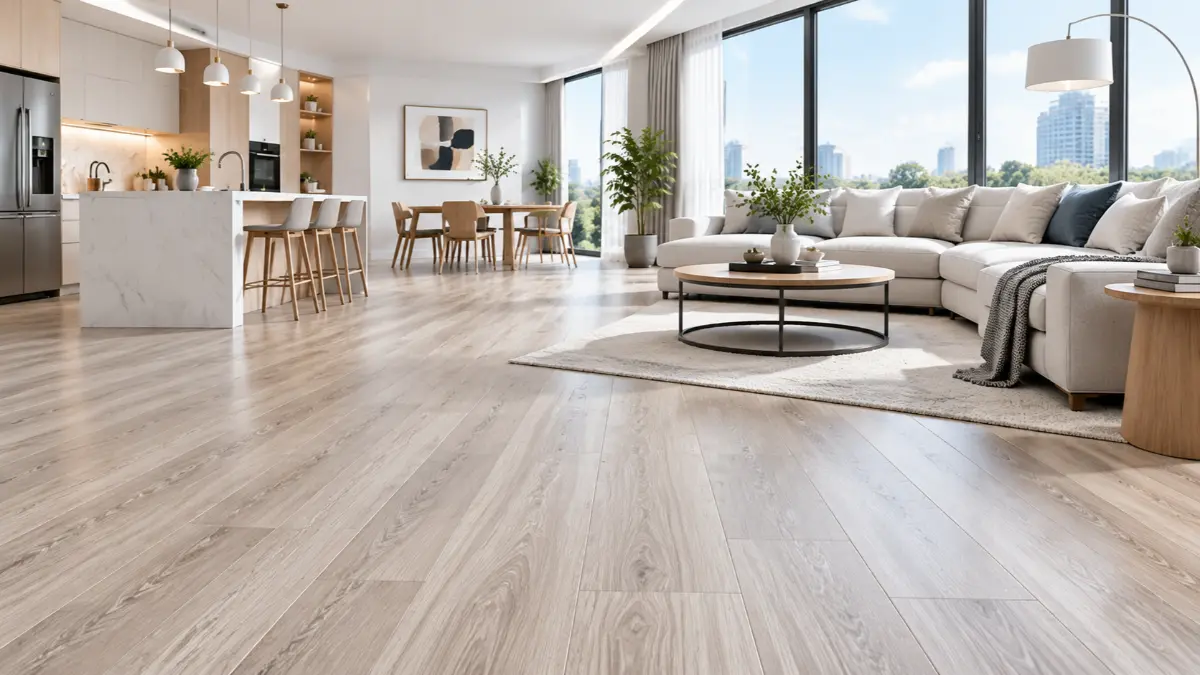
How to Choose the Right SPC Flooring for Your Home or Commercial Space
SPC flooring, also known as stone plastic composite flooring, is a popular option for residential and commercial interiors. Its rigid core, water-resistant construction and versatile designs make it suitable for many different spaces. But how do you choose the right SPC vinyl flooring for your project?
What Is SPC Flooring?
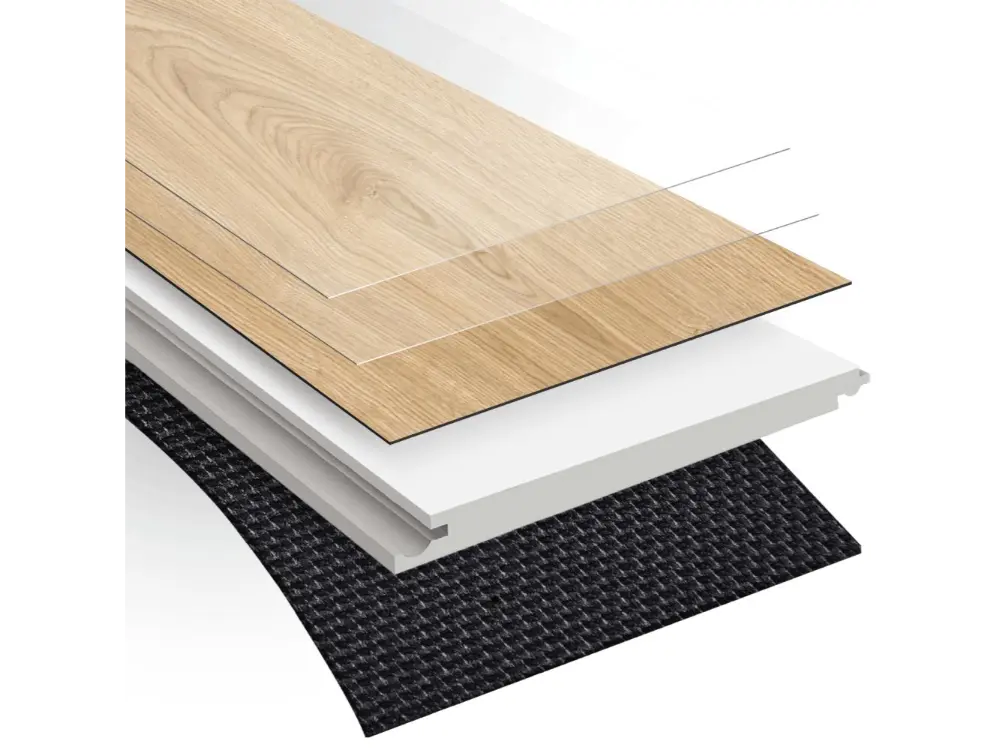
SPC flooring is made primarily from limestone powder, PVC and stabilizers. These materials form a dense, rigid core designed to provide dimensional stability and durability. SPC flooring is commonly manufactured with a decorative layer, a wear layer and, in some products, an attached underlayment.
Water Resistance
SPC's rigid core is water-resistant, making it a practical option for kitchens and other moisture-prone areas when the complete flooring system is installed correctly.
Wear Resistance
The wear layer helps protect the decorative surface from everyday abrasion. Performance depends on the wear layer, product construction and maintenance.
Click-Lock Installation
Many SPC products use a click-lock system that allows floating-floor installation without adhesive between planks. Follow the manufacturer's installation instructions.
Key Factors to Consider When Choosing SPC Flooring
1Thickness and Stability
SPC vinyl flooring commonly comes in thicknesses of approximately 4 mm to 8 mm, although specifications vary by manufacturer. Total thickness alone does not determine quality. Core density, locking profile, subfloor preparation and product construction also affect performance.
2Wear Layer Durability
Wear layers of 0.3 mm, 0.5 mm and 0.7 mm are common options. A thicker wear layer may be appropriate for demanding applications, but the best choice depends on expected foot traffic, maintenance and the manufacturer's performance specifications.
3Waterproof Performance
Check the manufacturer's technical data for water resistance and installation limitations. Even if the SPC core is waterproof, seams, perimeter gaps, subfloors and surrounding construction still need appropriate protection against moisture.
4Locking System
A well-designed click-lock profile can simplify installation and help keep planks securely connected. Ask about locking strength, installation requirements and warranty coverage.
Choosing SPC Flooring for Different Spaces
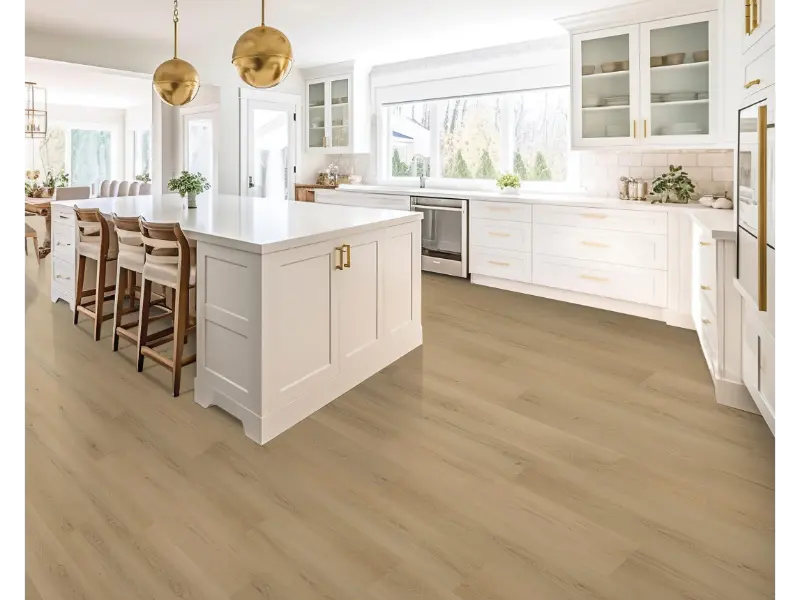
Kitchen and Bathroom
Consider water-resistant flooring with an appropriate slip-resistance rating. Confirm that the product is approved for the intended room and installation conditions.
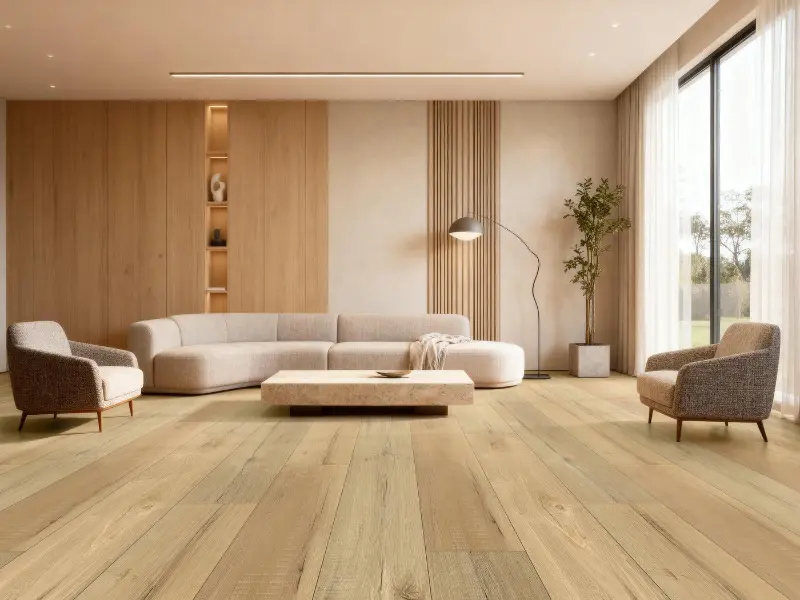
Living Room and Bedroom
Choose wood-look or stone-look designs that complement your furniture, lighting and interior style. Also consider underfoot comfort and acoustic performance.
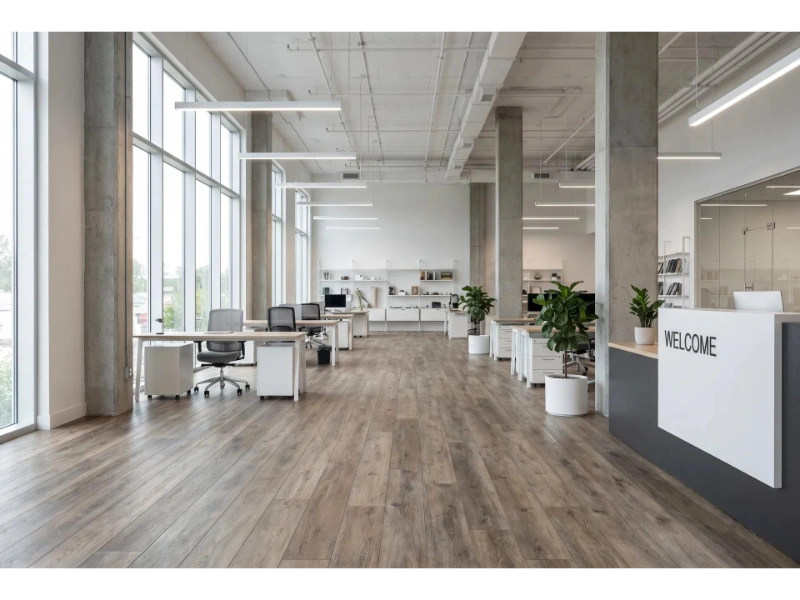
Commercial Spaces
For offices, retail stores and other high-traffic spaces, evaluate wear-layer thickness, commercial-use ratings, rolling-load requirements and warranty terms.
SPC Flooring Price and Quality
SPC flooring prices vary according to thickness, wear-layer specification, core construction, surface design, order quantity and shipping costs. Comparing products only by price per square meter can be misleading if their specifications differ.
| Specification | What to Check |
|---|---|
| Total thickness | Core construction and product stability |
| Wear layer | Intended use and abrasion performance |
| Surface design | Decorative finish and texture |
| Installation | Locking profile and subfloor requirements |
| Warranty | Residential or commercial coverage |
For an accurate quote, compare products with equivalent specifications and confirm packaging, order quantity, delivery terms and installation requirements.
Tips for Buying SPC Flooring
- Request samples to evaluate color, texture and finish before placing a bulk order.
- Ask for the technical data sheet, installation guide and applicable test reports or certifications.
- Check the supplier's manufacturing capabilities, quality-control process and production lead time.
- Confirm warranty coverage, packaging details and after-sales support before ordering.
Conclusion
Choosing the right SPC flooring means balancing durability, appearance, installation requirements and budget. By comparing the core construction, wear layer, locking system and intended application, you can select a product that better meets the needs of your home or commercial project.
Looking for SPC Flooring for Your Project?
Compare product specifications and request samples to find the right flooring solution for your space.
Contact Our Team