
Best Flooring for Basement: Why SPC is the Top Choice (2026 Guide)
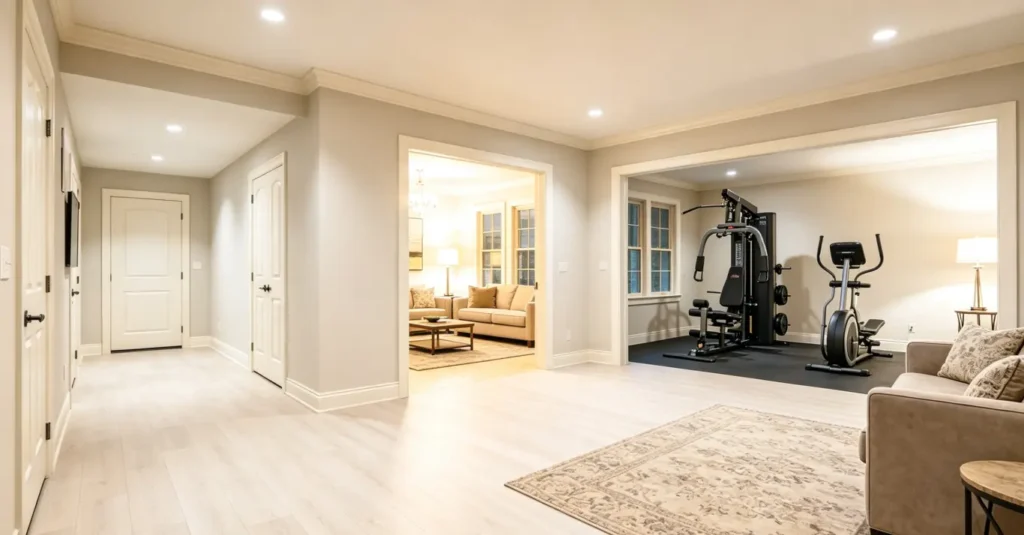
Table of Contents
ToggleBest Flooring for Basement: Why SPC is the Definitive Engineering Solution
When renovating a classic American ranch or upgrading a suburban villa basement, the concrete subfloor presents a unique set of challenges. Unlike upstairs living areas, basements are subject to persistent hydrostatic pressure and capillary action, where moisture migrates through the slab.
1. Superior Moisture Defense vs. Organic Decay
Standard hardwood or laminate flooring relies on organic wood fibers, which act as a sponge for ambient humidity. In a damp basement environment, these materials inevitably succumb to microbial growth (mold and mildew) and structural rot.
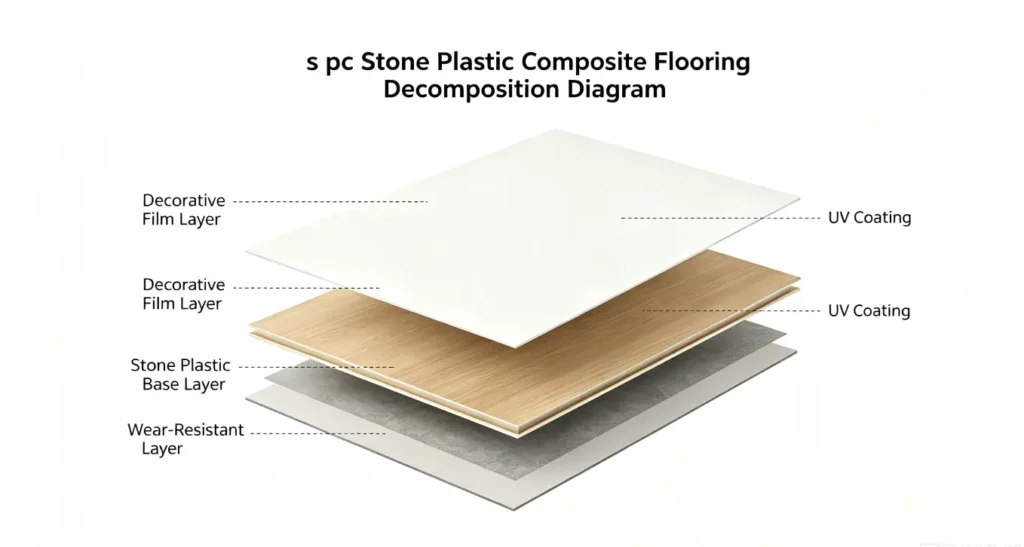
SPC (Stone Plastic Composite), however, is engineered with a high-density inorganic core. According to technical RFCI standards, this limestone-based construction contains zero organic content, making it physically impossible for SPC to support mold growth or deteriorate due to moisture, ensuring your sub-ground sanctuary remains dry and structural.
2. 100% Waterproof Integrity During Heavy Rain
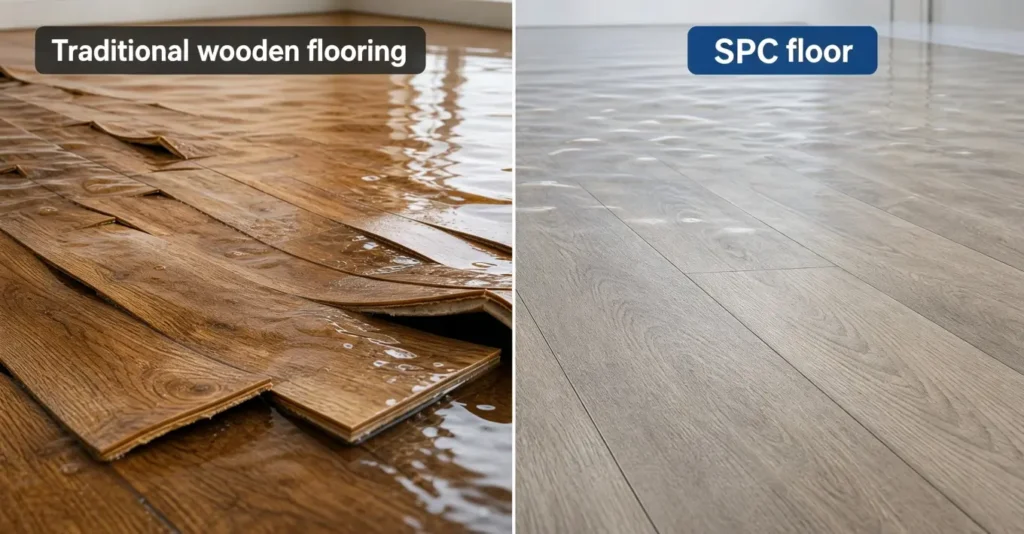
For many homeowners, the basement serves as a private gym or media room. During heavy storms, water intrusion through foundation hairline cracks is a common risk. While traditional floors would warp and buckle, SPC flooring maintains total dimensional stability. Because the core is non-porous, it can be fully submerged without swelling or losing its interlocking integrity. This “peace of mind” factor saves thousands in potential restoration costs.
3. Heavy-Duty Performance for Home Gyms
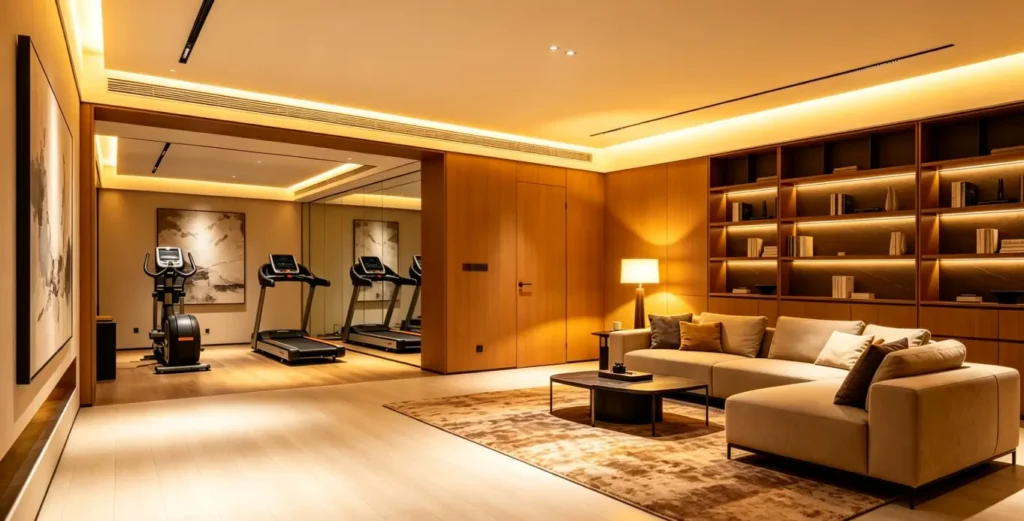
A basement gym requires flooring that can handle the pressure of heavy equipment. SPC’s rigid core provides a solid foundation that won’t dent under treadmills or weights, while its heavy-duty wear layer protects against the daily scratches of an active lifestyle.
4. Critical Air Quality in Low-Ventilation Spaces
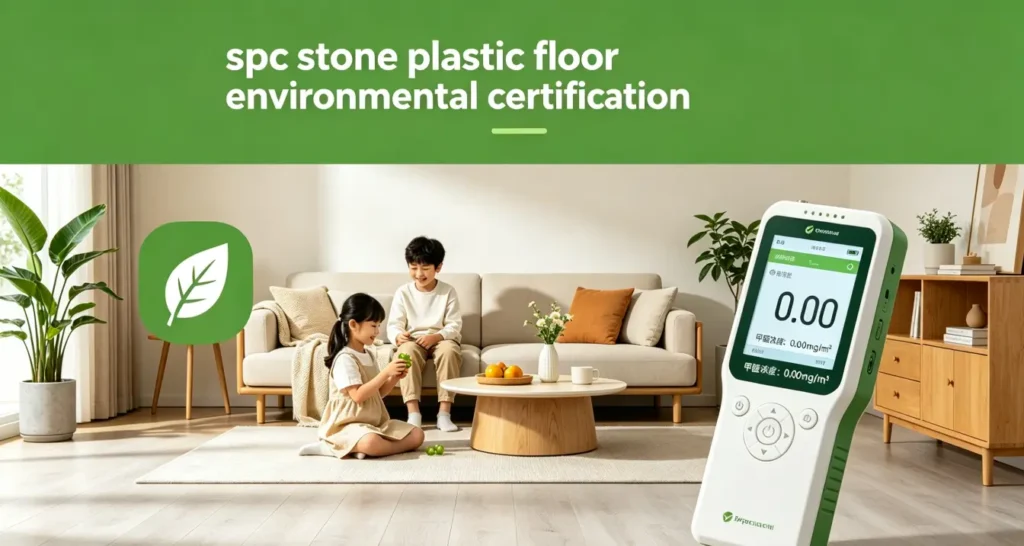
Basements often suffer from limited air exchange rates. Following university research on basement finishing, choosing non-toxic materials is critical for health. SPC flooring is manufactured using a heat-pressing process with zero glues or formaldehyde-based adhesives, making it an E0-grade, eco-friendly solution for your family.
5. Professional Installation Note: The Importance of Subfloor Prep
While SPC offers premium durability, its rigid nature makes it less forgiving of floor imperfections. To achieve a flawless finish and prevent “hollow” clicking sounds, a self-leveling compound must be applied to any uneven concrete. Investing in proper subfloor preparation ensures your SPC planks lie perfectly flat, maximizing the longevity of the click-lock system.
Frequently Asked Questions
Q1. What is the best flooring for a damp basement?
SPC flooring is a practical option for damp basement environments because its rigid core resists moisture. However, persistent water intrusion and excessive moisture in the concrete subfloor should be addressed before installation.
Q2. Can SPC flooring be installed directly over a concrete basement floor?
SPC flooring can often be installed over concrete, provided the subfloor meets the manufacturer’s requirements for flatness and moisture levels. Any uneven areas should be corrected before installation.
Q3. Is SPC flooring better than laminate flooring for basements?
SPC flooring generally offers better moisture resistance than conventional laminate flooring, making it a suitable choice for many basements. The best option depends on the moisture conditions, product specifications, and installation requirements.
Q4. Can SPC flooring be installed in a basement with water leakage?
SPC flooring is water-resistant, but it does not solve basement leaks or prevent water from entering through the foundation. Repair water intrusion and resolve moisture issues before installing any flooring.